Marine Regulations

15.07.2017
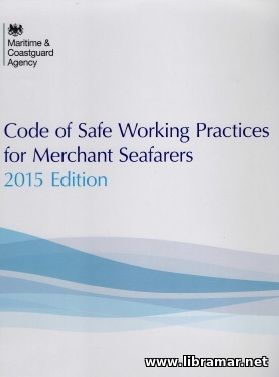
CODE OF SAFE WORKING PRACTICES FOR MERCHANT SEAFARERS

The present Code has been published by the MCA, i.e. Maritime and CoastGuard Agency and endorsed by the NMHOS Committee and other recognized organizations to serve as a guidance to the best established practices for the improvement of the H&S on board ships. The publication is aimed to anyone on a vessel regardless of their rank as well as to the people working ashore and responsible for safety; it shall be taken into account that the recommendations provided in this volume will only be effective if they are fully understood by all parties involved and only if there is due co-operation.

The workers not directly involved in a job in hand shall always be aware of what is actually being done  in order to avoid any sort of risk. In cases where some of the risks are really unavoidable, the appropriate, adequate and effective measures of control shall be implemented so that the exposure to the hazards causing the injuries, diseases or deaths are minimized. These risks would include the ambient factors, inherent hazards, various serious health risks like fatigue and so many other risks, and all of them have been covered in this publication, making it so useful and practical for all people involved in maritime industry and willing to perform their activities in a safe manner.
3879 Views 0 Comments Read more
15.07.2017
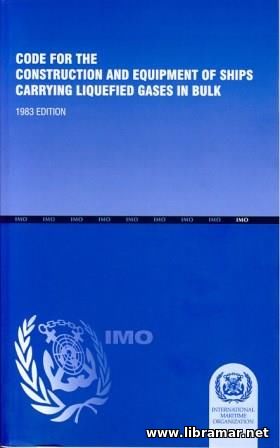
CODE FOR THE CONSTRUCTION AND EQUIPMENT OF SHIPS CARRYING LIQUEFIED GASES IN BULK

The present Code has been worked out and officially released aiming to provide the participants of the maritime industry with a recognized internationally used standard for the safe marine transportation of the liquefied gases plus some of the other substances that are listed in chapter XIX in bulk, through prescribing the constructional and design technical features of the vessels that are directly involved in such transportation together with the associated equipment that is required to be carried on board in order to minimize the risks associated with the gas carriage by sea.

The provisions of this Code are based in the sound marine engineering plus naval architecture principles and the best marine practices and proper understanding of potential hazards that may be posed by the various products being transported. the brief contents of the Code as follows: General; Vessel survival capability and cargo tank location; Ship arrangements; Cargo containment; Process pressure vessels and vapor, liquid and pressure piping systems; Construction materials; Cargo pressure and temperature control; Cargo vent systems; Environmental control for cargo containment systems; Electrical arrangements; Fire protection; Fire extinguishing; Mechanical ventilation in cargo area; Instrumentation; Personnel protection; Established filling limits for the cargo tanks; Use of cargo gas as fuel; Special requirements; operating requirements; Summary...​

3475 Views 0 Comments Read more
« 1 2 ... 6 7 8