A fire needs a chemical reaction between three elements to live. Those three elements are oxygen, heat, and fuel. By eliminating one of these elements, you can extinguish a fire. However, there are different classes of fire that require different methods of extinguishing. There are fire classes of fire as below:
- Class “A” fires are started from combustible materials, such as wood, paper, clothing, and plastics; practicing good housekeeping is the best way to prevent these fires from occurring.
- Class “B” fires are caused by flammable liquids such as gasoline, petroleum oil, and paint. However, they can also be started by flammable gases like propane and butane. These fires are common in areas like the engine room.
- Class “C” fires involve energized electrical equipment, such as transformers, motors, and other electrical equipment commonly found onboard ship.
- Class “D” fires occur when a combustible metal catches fire. Aluminum, magnesium, and other metals can catch fire. These fires are extremely hot and difficult to extinguish, as they create their own oxygen. A special extinguishing agent must be used that interferes with the chemical reaction.
- Class “K” fires typically occur in the galley with cooking oils and greases, like animal and vegetable fans.
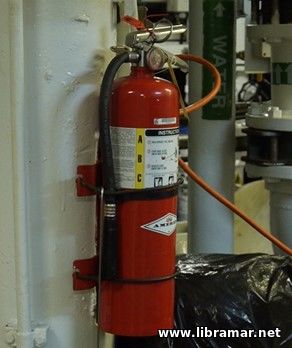
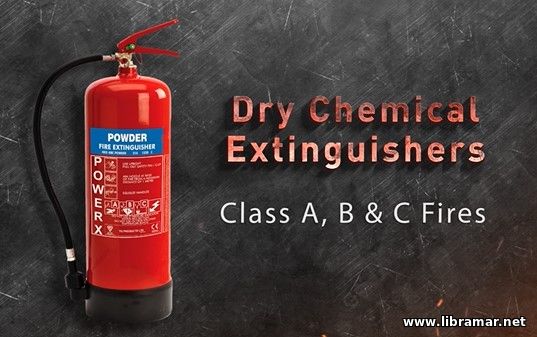
All these fires are fueled by different combustibles and often require different types of extinguishing agents. One of the most widely used extinguishers is the multi-purpose dry chemical extinguisher. This agent creates a barrier between the oxygen and the fuel. These extinguishers are used on class “A”, “B” and “C” fires. While the dry chemical can be used on electrical fire, it will often cause damage to electrical components and circuitry. In this case, CO2 is a better choice.
Ordinary dry chemical extinguishers work by interrupting the chemical reaction and should only be used on class “B” and “C” fires.
Water and foam extinguishers are used for fighting small class “A” fires. These extinguishers and hoses take away the heat element with the water, and the foam separates the oxygen from the other elements.
Water hoses are used in the event of class “A” or class “C” fires. They are also effective when fighting petroleum fires. In other fires, the stream could spread the flammable liquid or create a shock hazard.
Carbon dioxide extinguishers take the oxygen element out of the fire and then remove the heat with the cold discharge. CO2 is heavier than air and will therefore displace the air at the base of the fire where combustion occurs. These extinguishers shall only be used on class “B” and “C” fires. CO2 extinguishers are more effective in close spaces as opposed to the open areas such as the deck where the gas can be dispersed.
The multi-purpose cartridge extinguishers, like the stored pressure extinguishers, are effective in fighting class “A”, “B” and “C” fires by creating a barrier between oxygen and fuel.
Clean agent extinguishers extinguish class “B” and “C” fires. Larger clean agent extinguishers can also be used on “A”, “B” and “C” fires. Clean agent extinguishers include halon and halon-carbon agents and extinguish fires by interrupting chemical reaction of the fire triangle.
To fight a class “D” combustible metal fire, you should use the dry powder not dry chemical extinguisher. This special fire extinguishing agent breaks the fire chain at the molecular level, preventing combusting.
To fight class “K” fire in a galley, you will have to use the wet chemical agent which removes heat from the fires and creates barrier between the oxygen and the fuel, preventing re-ignition.
Make sure that the extinguishers are placed in the correct areas and are not covered in any way. Instruction on how to operate the extinguisher must be facing out.
Fire extinguishers are required to be visually examined every monthly and serviced annually.
In addition to fire extinguishers, a ship will most probably have a built-in fire suppression system, and its components are fire hoses, nozzles, piping, and fire pumps. In the engine room one will also find built-in sprinkler systems, along with semi-portable CO2 fire extinguishers.
Older steamships may have steam smothering lines in the cargo spaces.
Detection sensors are installed throughout the ship, and will sound an alarm in the presence of smoke, fumes, steam, or heat.
There will be a master alarm panel installed on the navigation bridge, and, possibly, in the engine control room. When a sensor is triggered, a panel will show the location of the event, allowing a rapid response to the possible fire.
We all know that seafaring is as such a very dangerous enterprise, since there are so many threats that the seafarers of today have to face every single day. In addition to the storms and hurricanes, pirates, hijacking and other unpleasant events, one of the most terrific hazards is still the destructive force of shipboard fires.
Knowing that any mistake can cause catastrophic fire means that all of the crew members of your vessel shall be provided with proper training and follow proper policies and procedures as necessary and at all times. Good vessel construction, housekeeping and maintenance, following the established safety procedures, and keeping shipboard fixed and portable fire-fighting systems fully operational are all important for preventing fires. Your firefighting training can one day save the ship, cargo, and the lives of your fellow crew members and passengers.
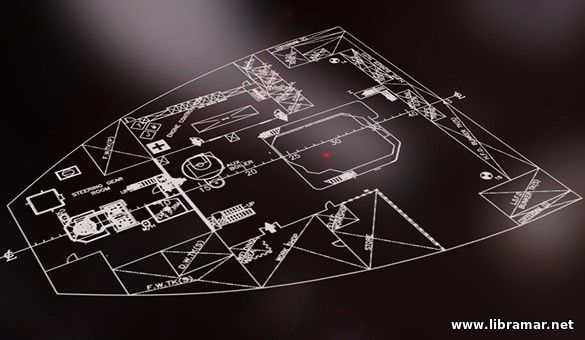
Let us spend some time discussing the very essential fire prevention aspects, commonly used fire extinguishing agents and systems, as well as the personal protective equipment (PPE) that are required for all those involved in the firefighting activities, and, of course, fighting the fire itself. It goes without saying that the provisions of the Safety Management System Manual shall prevail at all times.
Maintaining a safe environment is considered absolutely crucial in fire prevention, and this means constant vigilance from all crew members, demonstrated at all times. They shall always ask themselves questions like - are there any potential hazards from the work that you are performing, such as sparks or ignition, are the proper procedures for welding, cutting or hot work followed, including issuance of the hot work permit, etc.
Have a close look around your work area – are there any combustible materials lying around, such as faulty electrical installations, poorly insulated exhausts, or fuel and oil leaks? These may see like small issues, but, if left untreated, they could lead to disaster. The practice shows that many fires can be avoided by timely checking the equipment for damaged wires, faulty electrical connections, and putting oily rags into a sealed container. Make sure that you never place combustible materials near a heat source, like exhaust pipes or heaters. The engine room is deservedly treated as a home for many hazards, such as ruptured lines and pipes, loose fittings, and oil leaking from equipment. Immediately repair any leaks.
Another area of the vessel where chance of the fire is high, is the galley. The galley can never be left unattended while cooking. By maintaining a clean galley, grease accumulation will not be present to fuel the fire. Ensure the exhaust fans and ductwork are cleaned regularly as these are the major sources of galley fires.
Here are few things to look for in the galley:
- Accumulation of grease and oil on cooking appliances
- Grease or soot in the fans and exhaust
- Rags and garbage are disposed of in the correct containers.
In the next article, we will have a look at the fire extinguishing agents available today to the seafarers onboard their vessels.
Fire prevention is your first line of defense against the fire. However, if a fire does start, firefighters will need the right personal protective equipment to improve their chance of survival. It is vital that you learn the location of this equipment and understand how to quickly and properly put it on.
Ships may be equipped with the firefighter bunker suits increasing your protection of the human from flames, radiant heat and steam, allowing you to get near to the source of the fire. The bunker gear consists of turnout coat and pads. Protect yourself further with a firefighting helmet, gloves and rubber firefighting boots.
Your ships are equipped with the self-contained breathing apparatus, or SCBA units. Before using them, make sure that you have been fit tested and properly trained to use the SCBA suits. The SCBA shall carry at least thirty minutes of air on your normal circumstances.
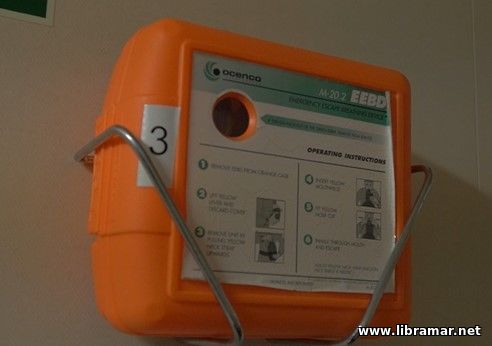
An emergency escape breathing device, or EEBD, is designed to help crew escape from the smoky compartment and contains enough oxygen to last at least ten minutes. They are intended strictly for escape purposes and should not been used in firefighting.
Many times, when dealing with small fires, crew members will not have time to change into the protective clothing. Be aware of your clothing limitations when preparing to fight the fire. And always remember that fires are much safer and easier to fight at their early stages.
Safety must be essential factor in all ship operations. Ship owners need to make a profit, but the best way to do that today is by operating safely. The senior management team on the ship needs to put the health, safety, and security of their crew above everything else. To achieve that, safety must be managed effectively.
The ISM Code makes safety management essential. But safety management makes good sense in both human and commercial terms. For all shipping companies, a history of shipping incidents and accidents damages their reputation and leads to the loss of business and further financial consequences.
It may seem that accidents happen at random, but the researches show that there appears to be a relationship between near misses and serious accidents. The more near misses, or hazardous occurrences that happen, the more minor or serious accidents occur. Proper evaluation of a near miss or hazardous occurrence reports and making appropriate changes in procedures will reduce accidents and contribute in managing safety on board.
There are many components to successful safety management and obvious one is good training and familiarization with the company’s safety management systems. Another one is proper maintenance, including making sure that all maintenance is correctly carried out and logged. Motivation and leadership is also vital. If safety matters to the senior officers, everyone on board will notice that; they will then make safety a high priority in their own activities.
This leadership is an essential part of another component – the development of the safety culture. The senior officers must make it clear that they are committed to the company’s safety procedures for it is their attitude to safety that determines the safety culture of the ship.
Finally, there are the safety management procedures themselves – these shall be developed by the shore office in consultation with the shipboard management team based on their experience, risk assessment, and legal requirements. But the shore office’s responsibility does not end with creating good working procedures. They also have a responsibility to employ personnel of a suitable standard both at sea and ashore.
Most important of all, there shall be open communication and trust between the ship and the shore. The Designated Person Ashore under the ISM Code must ensure that everyone ashore and on board works together to manage safety. For safety management systems to be effective, they must be regularly reviewed to ensure continuous improvement.
Standards must be established and then implemented. The progress of this implementation must be followed and measured so compliance can be checked. The situation must be reviewed and changes made if the objectives have not been met.
In this short article we will have some talk about the lifeboat drills that are supposed to be carried out on board ships on the regular basis in order to make sure that the ship crew members are duly aware of the lifeboat arrangement of their vessel and are able to launch the lifeboats in a safe way.
Lifeboats save lives and that is a known fact. The lifeboat will get you to safety except that occasionally, through poor design and maintenance, lack of training, lack of familiarity with their equipment, communication failure or simply operator’s error, lifeboat drills have actually taken lives or caused serious injury. That is why it is critically important that the drills are carried out with all participants focused on the safety.
So, what are the most important things you need to know here?
Firstly, you should know that whatever job you have on board a ship, anything that threatens the safety of your vessel, could put you in the position of having to know how to operate a lifeboat. As a professional mariner, you know that any lifting operation has its hazards, especially if you are launching or recovering a heavy lifeboat.
Look at this video showing what had actually happened during one of the lifeboat drills – there is no scenario, the case is real.
The on-load release mechanism failed because the cables controlling the hook release were not adjusted properly so the lifeboat was free to fall into the sea. The crew did everything correctly. The lifeboat was actually being recovered and luckily there was no one on board the lifeboat. If there had been, there is a high chance they would have been badly injured.
It is been claimed that as many as sixteen percent of the seamen who have been killed on merchant ships, died during lifeboat drills, and eighty percent of the fatalities are claimed to have been due to the hook release mechanism.
Let us look at the example how you would launch and operate a lifeboat. It may not the same as that on your ship but you can find details of lifesaving equipment and procedures for holding safe drills in your company ship’s safety management system.
One should never enter the lifeboat without checking that release hooks are fully closed and that the fall prevention devices are in place if they are used. However, there is one particular control that you must be very clear about – the release handle. Check that the release handle is in the closed and locked position and that the safety pin is installed in place.
It is this release handle that was operated in error in our real life example above, resulting in the lifeboat falling down to the sea. It should be understood that it is not always easy to know from the inside of the lifeboat how far it has been lowered or how high it is above water. For that reason, the system has been devised and used in some lifeboats that should ensure the lifeboat is in the water by using a hydrostatic sensing system.
So, we can say that deploying lifeboats in drills should always been undertaken in a professional and seamanlike way ensuring that full attention is paid to the significant risks that are inherent in getting you away from your ship if the worst happened. Please ensure that all crew members participating in the lifeboat drills in any role have thorough understanding of the safety aspects. This understanding may eventually contribute into the provision of the safety of human life at sea. We all know that the regular and properly conducted shipboard drills are the pre-requisite for provision of the safety.
Distress flares are the essential item of safety equipment. Flares are one of the most effective and rapid means of both signaling distress and indicating your exact position. It is imperative that flares are stored in a water-proof container. Flares can play a key role in assisting early rescue and also reducing a heavy cost of search and rescue operations.
In Tasmania, for example, 48 % of boats are used outside smooth waters, in sheltered or open waters, and are therefore required to have flares on board. Of course, many areas of smooth water can get rough, so the subject recommendation should be applicable to those boats, as well.
The general area of operation of your motor boat determines firstly whether they need to be carried and, secondly, the type of flares and number required. For sheltered, partially smooth waters the requirement is two red hand flares and two orange smoke flares. For open and coastal waters the requirement is two red hand flares, two orange smoke flares, and two red parachute rocket flares.
As various brands of flares have different methods of ignition, it is important to carefully read the instructions to ensure your familiarity with a method of operation. Prior to leaving, it is vital that all your passengers also know how to activate the flare. Your instructions may well save your life.
It is important to check the expiry date and replace any out of date product. Flares generally have three-year expiry from the date of manufacture. Such products can be returned to manufacturer. Be advised that it is an offence to activate a flare unless doing so for rescue purposes or when authorized by Master.
Where possible, hand-held flares should be activated on the downwind side of the vessel. Your arm should be fully extended above your head. Make sure that all other passengers and a vessel superstructure is well clear of this operation. Hand flares, particularly red flares, emit extreme heat, and so do be careful when using them.
The parachute rocket flare is a hand-held self-contained distress rocket which ejects a parachute with a suspended red flare at around three hundred meter altitude. It burns for forty seconds at a brilliant thirty thousand candela. It can be seen from fifteen kilometers by day and forty kilometers or more by night. Rocket flares must not be activated when a helicopter or aircraft is overhead.
Orange smoke flares are the most effective device for daytime use. They emit a vivid expanding cloud of dense orange smoke visible for sixty seconds and can be seen at a distance of up to four kilometers at sea level and even further from an aircraft.
Red flares are most effective at night but may be used during the day, as well. Red hand flares burn for over sixty seconds with an intense fifty thousand candela red light. They can be observed from a range of up to ten kilometers at sea level on a clear dark night and up to twenty kilometers from the air. They can be seen at day light over a shorter range.
Remember, you can be fined for not having the required safety equipment. Always check to ensure your compliance with the applicable requirements before you go boating. Needless to say that having all required safety equipment on board and maintaining it in a good working condition may one day save your life and the lives of your passengers.
Working offshore is demanding – the work is specialized and often technical, the schedules are intense, fatigue and tiredness represent potential problems for everyone on board. Tiredness is due to long and hard physical effort – it is resolved by rest and sleep. This is not always easy on a constantly moving vessel.
Fatigue builds up over time and includes both physical and mental effects and results in reduced physical and mental capacity. It can be difficult to recover. The effects of fatigue are dangerous – it affects everyone regardless of experience, skills, age, knowledge and training. It can affect the individual’s reaction time, coordination and decision making. The senior officers on board need to be aware of this possibility which is especially likely towards the end of the shift or the tour.
Deck crew can be involved in hard physical work and so are affected by tiredness. Over time, this can also build up into fatigue. Those on the bridge are at risk of fatigue when maneuvering the vessel for long periods while close to installations. To avoid tiredness and fatigue, all personnel must use their off-duty time to relax and sleep.
There is international legislation that restricts working hours on ships and so helps to combat fatigue. Everyone on board must comply with the working hours requirements set out in the STCW Convention and the Maritime Labor Convention.
Occasionally, installations will ask for more working hours than the vessel is chartered for. Masters should put the welfare of their crews first. If they believe that crew fatigue will increase the hazards of any requested operation, they must say no and give their reasonsю
As well as knowing the legislation, the human element is equally important. Everyone must make the best use of their off-duty time to get enough rest. Senior officers must ensure that everyone including themselves does that. Tired and fatigued crew members are more likely to suffer personal injuries and make poor decisions with the potential to endanger the crew, the vessel, installations and the marine environment.
Everyone needs to aware of the effect of continual heavy weather on personnel’s ability to sleep. During safe job analysis, toolbox meetings, senior officers should watch out for any signs of fatigue in their personnel. But everyone should know how to recognize the signs of fatigue in themselves and their colleagues. The danger signs include:
Difficulty staying awake
Difficulty concentrating
Slowness & clumsiness
Forgetfulness
Headaches
Other signs show the psychological effect of fatigue. People become unusually irritant and less talkative. They can become depressed and show anti-social behavior. If anyone believes that fatigue is affecting them or a colleague, they should do all they can to get themselves or individual some rest. The person concerned must use their maximum allowance of rest time to sleep and relax.
Crew members should inform their supervisor if they believe that fatigue is lowering their effectiveness. In the longer term, reducing fatigue is helped by eating healthily, smoking less and reducing coffee consumption.
Fatigue is dangerous offshore because it leads to slower responses and poor judgment of distance, speed, time and risk. Individuals can become pre-occupied with a single task and overlook more important issues. They become less vigilant.
Officers should ensure that everyone including themselves gets enough rest and makes best use of their off-duty time to minimize fatigue. Everyone needs to be aware of the symptoms of fatigue. Remember that if you are suffering from fatigue, you have the potential to engender yourself, your colleagues, your vessel, and the marine environment.
Working on deck of the offshore vessel requires good safety awareness by both the deck crew and those on the bridge controlling the operation. The risk of personal injury is always present. The first defense against this is keeping to proper planning procedures. Personal protective equipment, or PPE, is also important. This includes a hard hat with a chin strap, safety footwear, high visibility jackets, and gloves. It can also include eye protection. Flotation devices will be required on the vessels with open decks. These must be put on correctly so that they do not come off should the wearer fall into the water.
There is often water on deck, so slips, trips and falls and a constant hazard. The deck crew should look out for each other’s safety and be prepared to stop the operation if their safety is jeopardized. Generally, for hooking up the pre-slung cargo requires a team of two is required. Deck crew must go to a position of safety during actual lifting. One crew member is designated as banksman and signals to the crane operator on the installation.
When working cargo, or anchor handling, the vessel will usually be working down weather – even a small swell can cause water to come on board and wash the crew off the deck. In difficult weather conditions remember the old nautical say – one hand for yourself and one for the vessel.
When deck operations have to be carried out at night, effective illumination of the working area is essential. In anchor handling, towing, and also mooring operations everyone on deck as well as those commanding the deck crew must be aware that ropes and wires can break, so when equipment and lines are under tension, everyone should be in a position of safety.
Anchor handling involves working with anchors, buoys, wire, chains and there equipment on deck. The mud and water comes on deck with them, makes a deck slippery and increases the risk of slips, trips and falls. For this reason, the deck should be cleaned as soon as possible.
If you are unsure about how to carry out a procedure, do not just carry on. You may be putting yourself and others on board at risk. If you are asked to do something that you consider unsafe, stop the job and speak to a senior officer. The senior officers should plan the operations efficiently and issue their commands in positive and calm manner. Complying strictly with proper procedures helps to minimize the risk of personal injury. Avoid cutting corners. Always think about where you are standing. Be aware of mooring points, uneven decks and other trip hazards.
In all situations, it is important to work calmly and never rush around. No job is so urgent that is worth risking your life and your safety. You, your colleagues and your vessel will all benefit from you carrying out the work calmly and correctly. Make safety your first priority while working on deck.
The "Read Later" function allows you to add material to this block with just one click. Just click on the icon and read the articles that interest you at any convenient time.
 engine room.
  Water and foam extinguishers are used for fighting small class “A” fires. These extinguishers and hoses take away the heat element with the water, and the foam separates the oxygen from the other elements.
 suppression system, and its components are fire hoses, nozzles, piping, and fire pumps. In the engine room one will also find built-in sprinkler systems, along with semi-portable CO2 fire extinguishers.
 systems, as well as the
  By maintaining a clean galley, grease accumulation will not be present to fuel the fire. Ensure the exhaust fans and ductwork are cleaned regularly as these are the major sources of galley fires.
 have been fit tested and properly trained to use the SCBA suits. The SCBA shall carry at least thirty minutes of air on your normal circumstances.
 it clear that they are committed to the company’s safety procedures for it is their attitude to safety that determines the safety culture of the ship.


 Where possible, hand-held flares should be activated on the downwind side of the vessel. Your arm should be fully extended above your head. Make sure that all other passengers and a vessel superstructure is well clear of this operation. Hand flares, particularly red flares, emit extreme heat, and so do be careful when using them.
 level and even further from an aircraft.
 . Those on the bridge are at risk of fatigue when maneuvering the vessel for long periods while close to installations. To avoid tiredness and fatigue, all personnel must use their off-duty time to relax and sleep.
 recognize the signs of fatigue in themselves and their colleagues. The danger signs include:
 ng, towing, and also mooring operations everyone on deck as well as those commanding the deck crew must be aware that ropes and wires can break, so when equipment and lines are under tension, everyone should be in a position of safety.