Bunkering Best Practices
A single oil spill can cost millions of dollars in cleanup expenses, provoke harsh regulatory responses and increase monitoring and limits on bunkering operations.
For the vessel, the most critical part and where most spills occur is in the topping off stages of the transfer. It's usually very dramatic, even a minor amount of oil in the water can spread over a huge area and create a very visual effect. Safe bunkering practices require proper procedures, safety awareness, constant attention and regular training.
Safe bunkering practices protect both people and the environment. They require good communication, a well-trained crew and compliance with local, state, federal and international laws. Best practices for safe bunkering start with the person in charge, also known as the PIC.
This individual must be a credentialed master, mate, engineer or tankerman. A PIC is a person in charge. There's one for the receiving vessel and one for the delivering vessel and the PICs are the two designated people who are formally on each side in charge of that vessel's transfer at that time.
The first task of the PIC is to identify and share with the crew the vessel's oil transfer procedures. Transfer procedures should be prominently displayed for quick and easy reference by all on board. Oil transfer procedures include the location of all pipelines,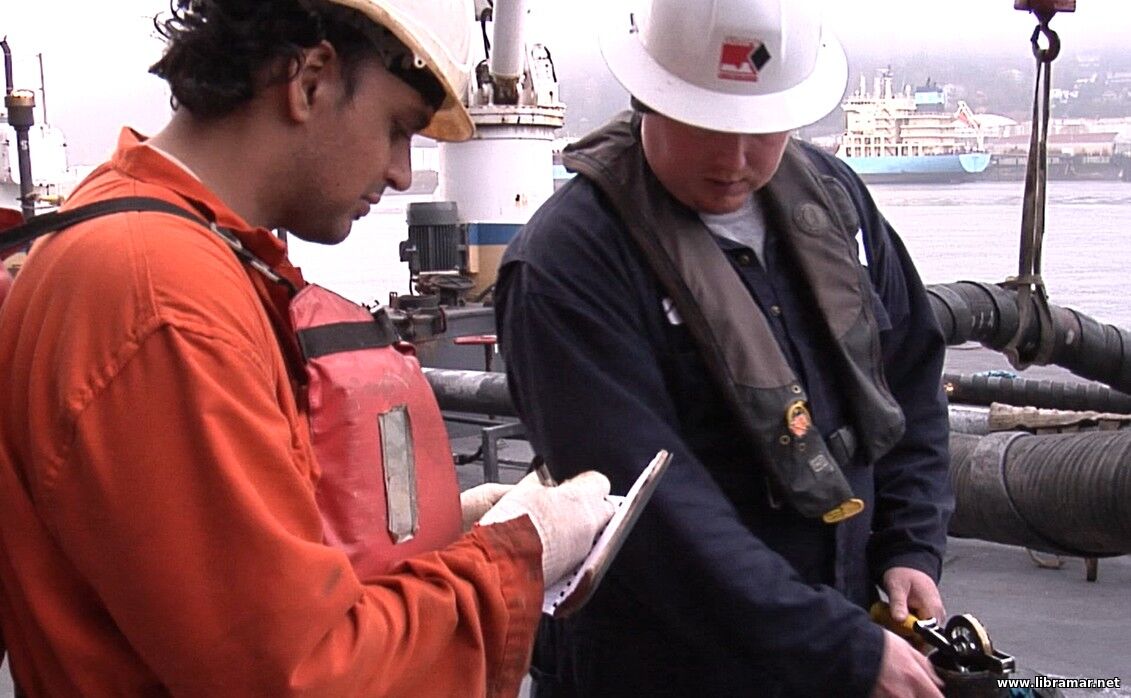 valves, vents and overflows, the numbers and duties of those people assigned to the transfer operation, all relevant procedures before, during and following oil transfer, detailed steps for communication among the bunkering team, steps for topping off the tanks and steps for initiating an emergency shutdown.
You have a written oil transfer procedure in the United States that's required by the port state and then of course the vessel needs to follow that written procedure because that's basically a work plan of how you do the job. The pre-loading plan should include descriptions of the tanks and their capacities, the current level and type of oil in the tanks, expected final oil level and percentage at completion, the sequence of filling and the monitoring procedures. It's important to stress to the crew that monitoring is more than simply observing the filling procedure.
It's frequently watching the tank levels and valve alignments too. The pre-meet is a very important part of the process because that bunker team meeting, Washington State calls it a training session, but it's really a bunker team meeting, needs to be timely in that it's held very close to the time of the bunkering and that's so that people still have it fresh in their mind, what's the plan, how we're doing it, what tanks, what volumes, what sequence, etc. and what level they're filling to, where's their stopping point.
The PIC must emphasize if anything appears to be out of order, crew members have a responsibility to stop or shut down the bunkering operation. Everyone must know they have that ability and responsibility to stop the transfer at any time. When in doubt, shut it down.
Anybody involved in the transfer can absolutely shut down a cargo transfer at any time. Obviously, the barge is paying attention to what's going on the barge because they can't see what's going on onboard, so any issues that they see on the barge they would immediately shut down, or if they see something going on up on the ship that they're not comfortable with, they would be able to shut it down. By port and state regulations, we are not only the delivering vessel, but we are also their first responder, so when they have an incident aboard the ship and they shut us down, they have to be very forthcoming with us, what's going on, and if there is an incident, we have to be notified as soon as possible so we can initiate the first response if there's an incident and a possible spill.
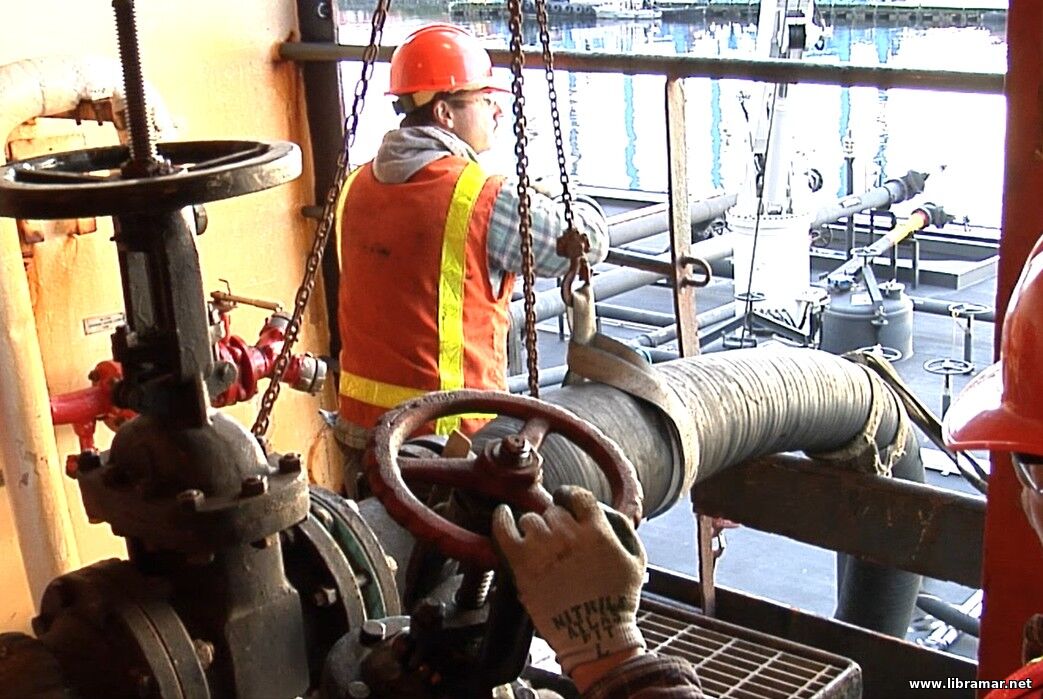 Designating transfer personnel is a key responsibility. Regulations vary, but most mariners agree that at least four individuals should devote their full time and attention to the bunkering process. The point of transfer watch must remain at the bunker manifold connection between the barge and receiving ships throughout the entire bunkering operation.
It's a best practice to maintain a deck rover watch monitoring for spills. Additional crew may be needed to monitor all tank levels during topping off tanks or during bad weather conditions. I would say that the biggest incident is the ship for some reason or another overfills a tank and they either have a deck spill or the spill enters the water.
I would say that's the number one incident. Usually, it's when they go to different tanks, sometimes they need to communicate the different rates, slow us down or speed us up, so I would say just the biggest incident for us that we look out for is the overfilling of the ship's tanks. Crew members assigned to bunkering operations should be free of distractions during the transfer, including any other duties.
Cell phone usage and other electronic distractions should be prohibited. Communications procedures range from coordinating radio frequencies to use of common hand signals and gestures. Because radios and walkie-talkies may fail, basic hand signals are useful backups.
Pay special attention to communications procedures in case of emergency and stress again to crew members that they can stop the bunkering operation at any time should they observe something wrong. When in doubt, shut down. Emergency communications or an emergency shutdown needs to be a very clear part of the pre-transfer conference so both sides understand exactly what to do to have a very simple, clear, quick and direct shutdown in the case of an emergency.
Before the transfer process begins, prepare the deck and bunker manifold areas. This includes making a visual inspection of all equipment on both receiving and delivering vessels. As part of your preparation, close and secure all required hatches, doors and portholes.
Seal all scuppers and drains on deck from which spilled oil may enter the water and ensure the bunker manifold area is well lit for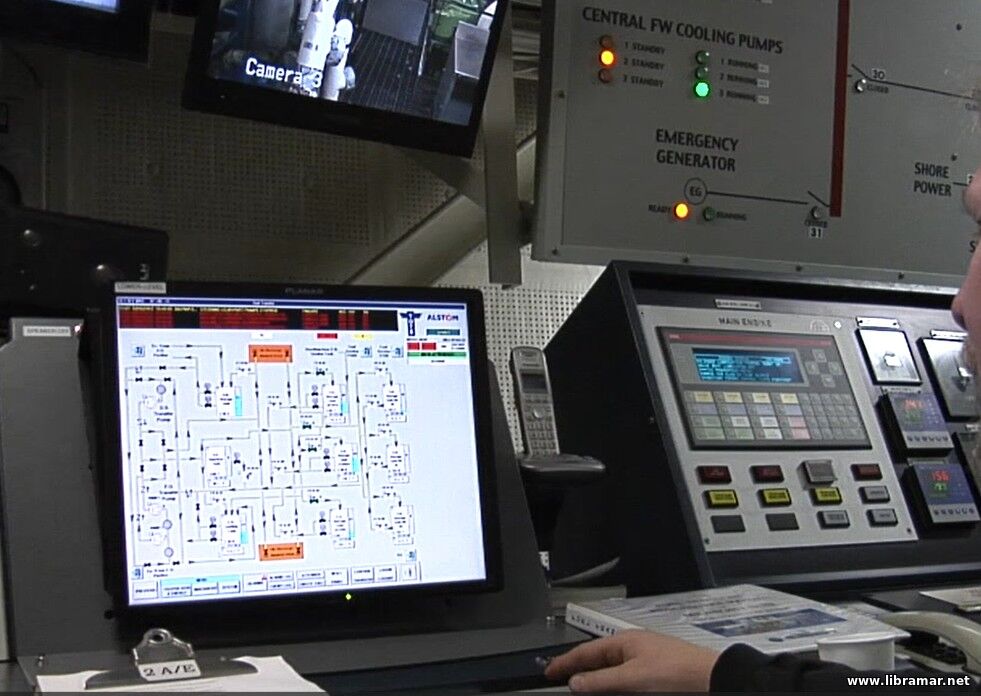 the sake of efficiency, safety and maintaining crew alertness. Connect the bunker hose carefully. It may still contain some oil from a previous transfer.
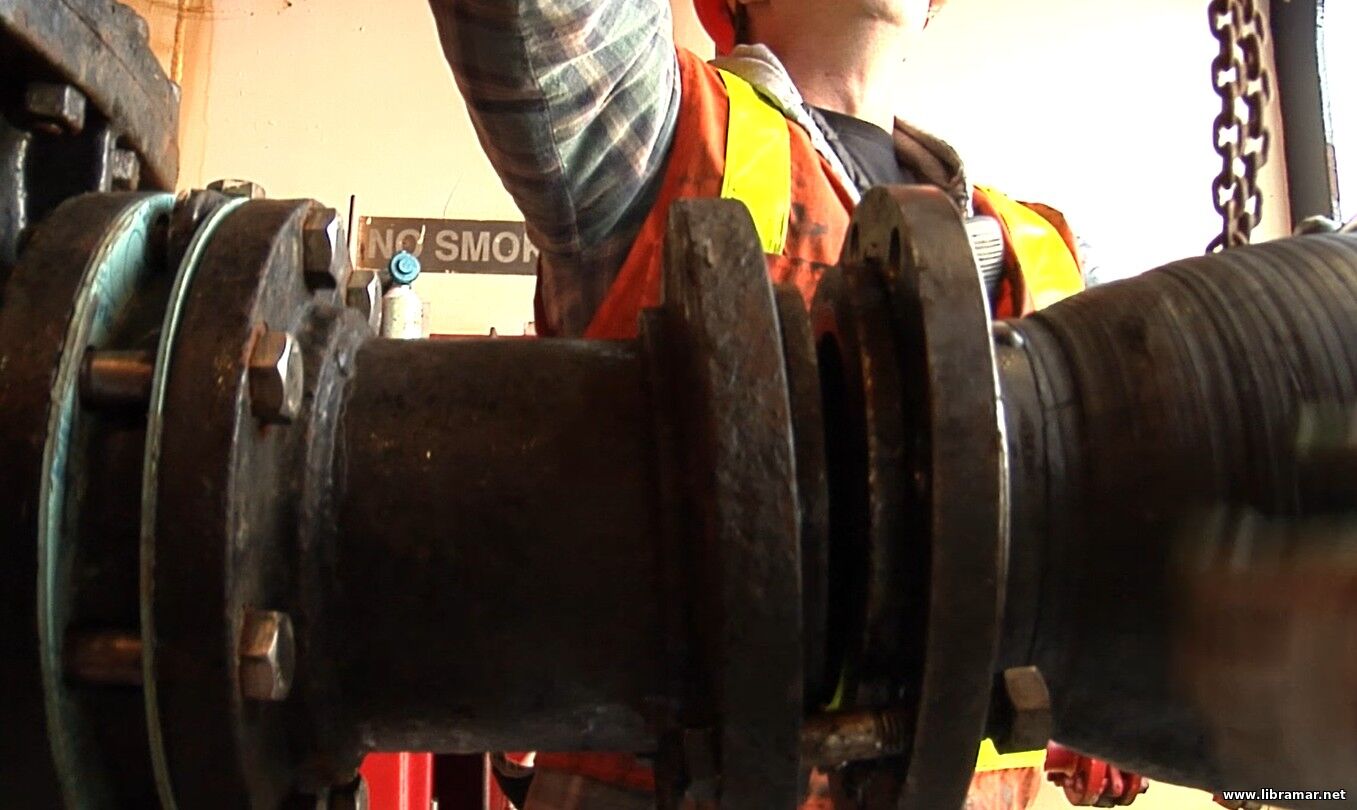
All pipe connections, tank vents, overflow or fill pipes must have spill containment in place. Use a new gasket for each connection and secure bolts tightly before pumping begins. Double check the alignment of all valves and inspect the hose itself for obvious defects.
The hose should be properly supported to avoid undue strain on manifolds and rails. After the bunkering hose is attached but before any oil is transferred, the PICs from the delivering and receiving vessels must meet for a pre-transfer conference to plan the operation. The conference must be conducted in English and if there is a language difficulty, an interpreter should be available and present throughout the entire procedure.
Conduct the conference face to face. Review together the loading plans and declarations of inspection which will need to be signed. Next, use a checklist and jointly initial key areas of agreement including the products, sequence and flow of the oil, key procedures and personnel who will be involved, any watch changes agreed upon and shutdown and topping off procedures.
We talk about all the legalities of the transfer, making sure they have a loading plan. That way I know that they know what tanks they're going to and it's not just, you know, you fill your gas tank on your car, you fill it until it stops. This is a little different.
We got to gauge the tanks, make sure that we're not going past the percentage, getting close to that 100 percent mark. Make sure there is agreement and clear communication regarding emergency shutdown procedures. Declaration of inspection in the U.S. is a document with certain checkpoints on it, items that need to be addressed by both persons in charge.
 Next to each item is an initial point for both the receiving pick and the delivering pick. So the initial, every single item going down that list on the DOI until they get to the bottom and they've covered all the succinct points, at that time they both sign with a date and time of the signature of the DOI. It's crucial that both Bunker Barge PIC and Receiving Ships PIC sign the DOI and are mutually clear on the conditions it certifies.
The PICs should discuss any cargo operations that may be going on during the bunkering operation. Cranes moving cargo should never overhang any part of the bunkering barge while it is alongside the ship. Confirm tank soundings prior to starting your bunker operations, levels not volumes, and ensure that all piping and valves are aligned properly to the correct tanks.
Once PICs from both the Bunker Barge and Receiving Ship give their okays, fuel delivery begins. Start at a slow rate to ensure the transfer is proceeding as planned. Increase rate of flow to your agreed upon maximum rate.
A best practice is to take frequent soundings of all tanks throughout the bunker operation and to make sure no fuel is going into the wrong tank and to verify operation and accuracy of ship's gauging systems. Make sure you monitor fuel pressure on the Bunker Barge. High pressure could signal a blockage or improper alignment.
Crewmen on the Receiving Ship should alert the barge crew at least five minutes before changing tanks, topping off tanks, or securing the load. Maintain constant communication and status reports between Bunker Barge and the Receiving Ship. If there is a failure to respond, shut down immediately.
At the end of the bunkering operation, the PICs on both the barge and ship should check tank gauges and or tank soundings and close all valves and tank fitting. Crews must make sure the hose is depressurized and drained back into the barge. Blank the hose connection with a new gasket and bolt it shut after cleaning it of any surface oil and before stowing it back aboard the barge.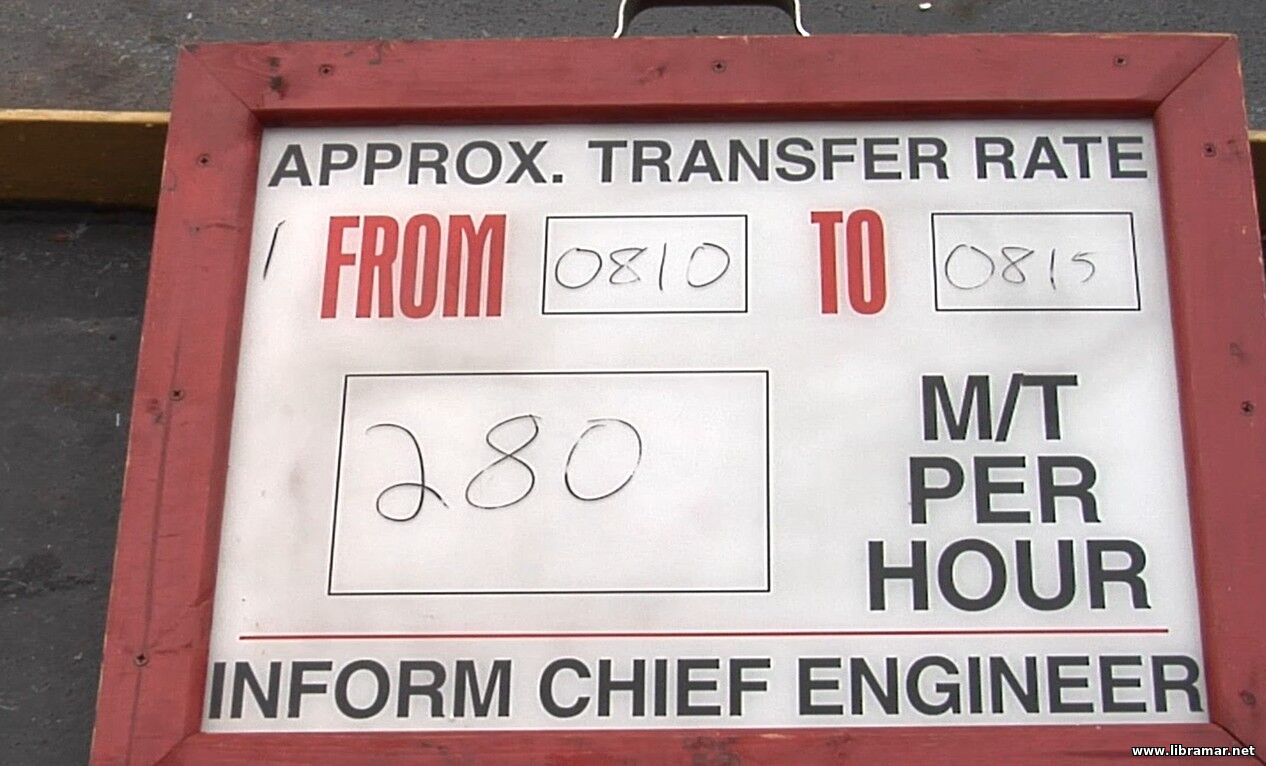
No two bunkering operations are exactly alike. There are lessons to be learned each time oil is transferred from one vessel to another. It's useful to hold a post bunkering meeting with the bunkering team after each operation and identify areas for continuous improvement.
One of the things that's always good to do in any kind of an operation is to have a debriefing afterward, even if it's a routine operation as bunkering is on vessels, because a debriefing gives you an opportunity to do a number of things. First of all, you can see what went well and congratulate yourselves that the system you've got in place is working. You can also identify items, either major ones or minor ones, that didn't work so well and it gives you an opportunity to identify them, articulate them, and then find a way to address those to make them go smoother another time.


The "Read Later" function allows you to add material to this block with just one click. Just click on the icon and read the articles that interest you at any convenient time.